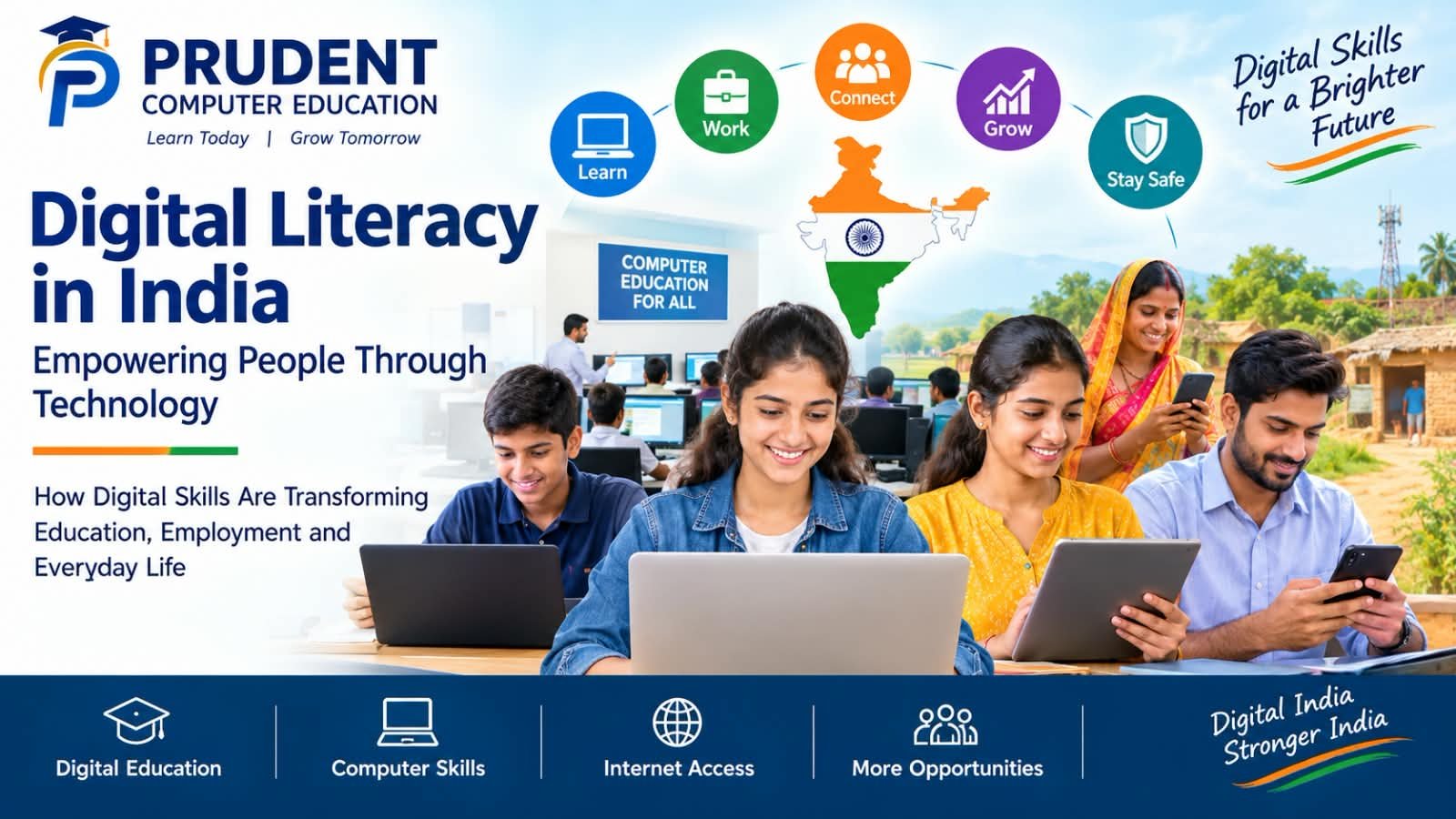
Digital Literacy in India: Empowering People Through Technology
Digital literacy is an essential skill in today's technology-driven world. It enables people to use computers, smartphones, the internet and digital services confidently and safely. Learn how digital literacy is helping India improve education, employment, communication and opportunities for people across urban and rural communities.
Digital Literacy in India: Empowering People Through Technology
Digital literacy has become one of the most important skills in today's modern world. Technology is changing the way people learn, communicate, work, access information and manage their daily activities. From smartphones and computers to online education and digital services, technology has become an essential part of everyday life.
In India, digital literacy is helping people from different backgrounds connect with new opportunities. Students, job seekers, professionals, business owners and rural communities can all benefit from understanding and using digital technology effectively.
What Is Digital Literacy?
Digital literacy means having the knowledge and skills to use digital devices, software, internet services and online platforms effectively, responsibly and safely.
It includes the ability to:
- Use computers, laptops and smartphones. - Search for information on the internet. - Send and receive emails. - Use online educational platforms. - Create digital documents and presentations. - Access online services. - Understand basic online safety and cybersecurity. - Communicate through digital platforms.
Digital literacy is not only about using devices; it is also about understanding how to use technology wisely.
Importance of Digital Literacy in India
India is rapidly adopting digital technology in education, business, banking, communication and public services. Digital literacy helps people participate in this transformation.
People with digital knowledge can access information more easily, learn new skills, complete online tasks and use digital tools to improve their productivity.
Digital literacy is especially important for people who have limited access to technology or educational resources, as it can help them gain knowledge and explore new opportunities.
Digital Literacy for Students
Digital literacy helps students improve their learning experience and prepare for the future.
Students can use digital technology to:
- Attend online classes. - Search for educational information. - Prepare assignments and projects. - Create presentations. - Learn computer applications. - Develop communication skills. - Explore new subjects and career options.
Digital knowledge can help students become independent learners and develop confidence in using modern technology.
Digital Literacy and Employment Opportunities
Computer and digital skills are increasingly useful in many workplaces. Employers often expect candidates to understand basic computer applications, online communication and digital information management.
Digital literacy can support opportunities in areas such as:
- Computer Operator - Data Entry Operator - Office Assistant - Customer Support - Digital Documentation - Online Business Support - Computer Lab Assistant - Administrative Work
The specific job opportunities depend on qualifications, practical skills, experience and employer requirements.
Digital Literacy in Rural Areas
Digital literacy is particularly valuable in rural and underserved communities. Access to computer education and digital knowledge can help people connect with educational resources, online services, employment information and communication platforms.
Computer education centres can help bridge the digital divide by providing practical training, guidance and learning opportunities to individuals who may not have access to computers at home.
Expanding digital education across villages, towns and remote areas can contribute to inclusive development.
Digital Literacy and Online Safety
Using technology also requires awareness of online safety. Digital users should understand how to protect personal information, avoid suspicious links and recognise online fraud.
Important digital safety practices include:
- Never share OTPs, passwords or confidential information with unknown people. - Use strong passwords. - Avoid suspicious websites and links. - Verify online information before trusting it. - Use secure internet connections whenever possible. - Be careful when sharing personal information online.
Learning safe digital habits is an important part of digital literacy.
Role of Computer Education Institutes
Computer education institutes help learners develop practical digital skills through structured training and regular practice.
A good computer education programme may include computer fundamentals, typing, office applications, internet usage, email, digital communication, online safety and other useful technology skills.
Practical computer training helps learners understand technology and apply their knowledge in real-life situations.
The Future of Digital Literacy in India
The future of India is closely connected with digital technology, artificial intelligence, online education and digital services. As technology continues to evolve, digital skills will become increasingly valuable for students, professionals and communities.
Digital literacy will help people adapt to new technologies, continue learning and participate in the modern digital economy.
Conclusion
Digital literacy is an essential foundation for education, employment, communication and personal development. It empowers individuals to use technology effectively, safely and confidently.
By promoting computer education and digital awareness across India, we can help create a more knowledgeable, skilled and digitally empowered society.
PRUDENT COMPUTER EDUCATION aims to promote digital literacy, computer education and practical skill development by encouraging learners to build digital knowledge and prepare for future opportunities.
.
.
. .
. .
Digital Literacy in India, Digital Education, Computer Literacy, Digital Skills, Digital Empowerment, Computer Education, Internet Skills, Digital Awareness, Digital India, Digital Learning


 Call
 WhatsApp
Explore Online Courses